Trust Bolt Locksmith Service Team
Local locksmith team
Feb 26, 2026 11 min read
Running a storefront or office along South Street or up near the Marlboro Central School District corridor means you're trusting your locks to protect inventory, equipment, sensitive files, and the people who work for you — every single day. Yet most Marlboro business owners haven't looked critically at their lock hardware since they first moved in, and that gap is exactly where security problems quietly grow.
This checklist is built for Hudson Valley commercial property owners who want a straightforward, honest review of what to look at, what to fix, and when to call a professional commercial locksmith before a problem turns into an emergency. Grab a notepad, walk your building, and use the sections below as your annual security audit guide.
## Why Marlboro Storefronts Need a Commercial Locksmith Review Every Year
Staff turnover, lease changes, contractor access, and simple wear and tear quietly erode the security of any commercial property. A key copied without your knowledge two employees ago is still out there. A mortise lock body that's been cycling thousands of times a year may look fine from the outside but have worn internals that make it easier to manipulate than a new unit. An annual walk-through with a qualified commercial locksmith isn't a luxury — it's the same logic as inspecting your HVAC before winter. Catching a problem on your schedule is always better than discovering it during a break-in or a 2 a.m. lockout.
The services a skilled commercial locksmith covers for Marlboro businesses go well beyond cutting keys. Here is a specific list of what a full-service commercial security review and ongoing relationship should include: mortise lock installation and servicing, cylindrical lever lock replacement, deadbolt upgrades for storefront doors, panic bar (exit device) inspection and adjustment, master key system design and key control audits, high-security restricted key systems, electronic keypad and keycard access installation, door closer adjustment and replacement, door frame and strike plate reinforcement, lock rekeying after staff departures, commercial door knob lock replacement, padlock hasp and shackle upgrades for storage areas, cabinet and file cabinet lock installation, mailroom and package room lock solutions, access control wiring coordination, safe lock service and combination changes, window lock and sash lock hardware, rolling gate and overhead door lock mechanisms, storefront glass door rim lock service, multi-point locking system installation, door coordinator installation for double-door sets, automatic door lock timer setup, restricted keyway systems to prevent unauthorized duplication, emergency commercial locksmith response for after-hours lockouts, and security consultation and vulnerability walk-throughs.
## The Mortise Lock: The Workhorse of Commercial Door Security
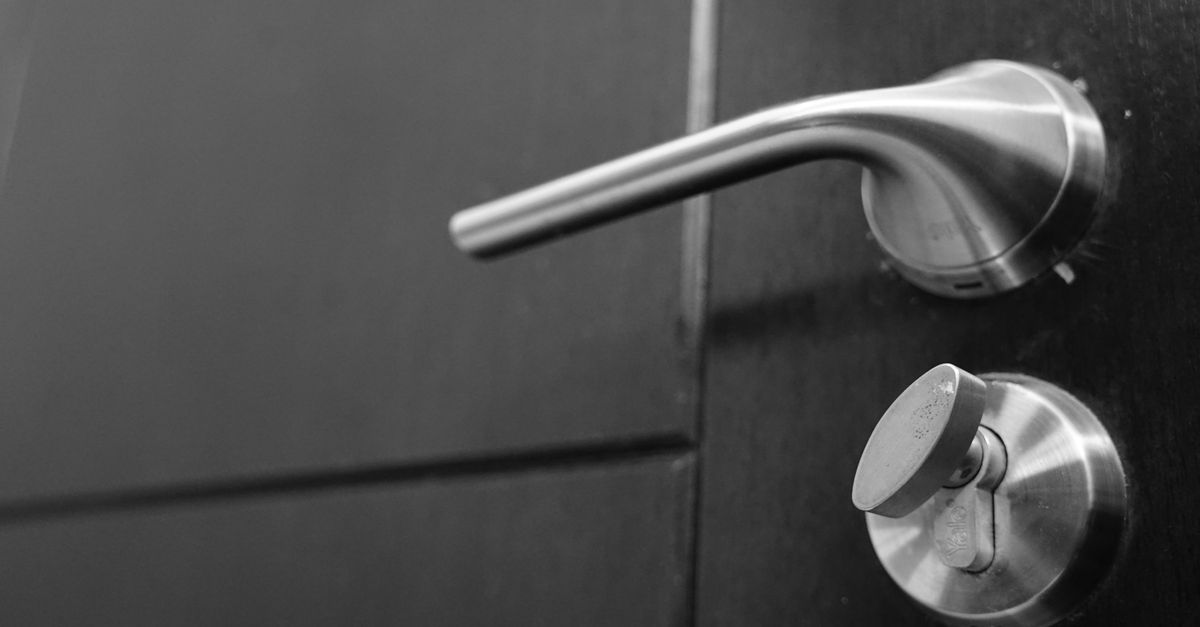
If your Marlboro business has older or higher-end commercial doors, there is a good chance a mortise lock body is already installed — or should be. A mortise lock is a rectangular unit that fits into a deep pocket (the 'mortise') cut into the door edge. Unlike a simple bored cylindrical lock, a mortise lock integrates the latch, deadbolt, and often the lever handle trim into one robust unit, making it dramatically harder to force or bypass through the door edge. They are standard on most commercial-grade hollow metal frames and are the preferred choice when security and longevity both matter.
An experienced commercial locksmith will inspect your mortise lock for backset alignment, worn case components, damaged cam follower, and cylinder play. A cylinder with too much rotational slop is a red flag — it often means the lock has been picked or jiggled at some point, or simply that it's past its service life. If your mortise lock is original to a building that changed hands more than once, rekeying the cylinder is a minimum step; full replacement of the case may be the smarter long-term investment. Ask your locksmith to show you what they find inside — a trustworthy technician is happy to walk you through it.
## Master Keys, Panic Bars, and the Rekey Timing Every Business Owner Should Know
Master key systems are extraordinarily convenient and extraordinarily risky if not managed carefully. The logic is simple: a grand master key that opens every door in your building has real value to the wrong person. Every time an employee with master key access leaves your business — voluntarily or not — you should treat that as a trigger event for a rekey or cylinder change, not something to get around to eventually. The same applies when a cleaning service contract ends, when a contractor finishes a job, or when a key is reported lost rather than turned in. A commercial locksmith can rekey your cylinders so that all existing copies of the old key stop working, at far less cost and disruption than you might expect — and without replacing the hardware itself.
Panic bars (also called exit devices or crash bars) are the horizontal push-to-open bars on emergency exit doors. They are required by code on many commercial occupancies, and they need more maintenance attention than most business owners give them. A panic bar that sticks, doesn't fully latch, or has a dogging mechanism left permanently engaged is a dual problem: it may fail during an emergency evacuation, and it may leave your building effectively unlocked after hours. Have a commercial locksmith inspect and lubricate the mechanism, check the latch projection, verify the backplate fasteners, and confirm the dogging hardware (if present) is only used when your building is occupied and supervised. Set a calendar reminder: panic bar inspection every 12 months, or immediately after any incident where the door was struck hard or forced.
As a general rule, plan a full commercial rekey on this schedule: when you take possession of any new space (you have no idea how many copies of those keys exist), after any break-in or attempted forced entry, after a key is reported lost or stolen, after any significant staff turnover wave, and every three to five years as a baseline even if none of the above apply. If you're unsure where to start, call (845) 479-6885 — our team answers around the clock and can schedule a walk-through at your property.
## Door Knob Locks, Strike Plates, and the Hardware Details That Get Overlooked
A commercial door knob lock on an interior office door might seem low-stakes, but it's often the layer that protects payroll records, server rooms, or medication storage in a medical office setting. The most common failure point isn't the lock cylinder itself — it's the strike plate and the door frame around it. A standard residential-style strike plate held by two short screws offers almost no resistance to a kick. For any door you genuinely need to secure, the strike plate should be a heavy-gauge reinforced unit with screws long enough to reach the structural framing behind the jamb, not just the trim wood. A skilled commercial locksmith will check frame integrity, door gap, and hinge-side security in the same visit — because a strong lock on a weak frame is still a weak door.
Electronic locks and keypad access are increasingly common for Marlboro offices that need to track who enters which area and when. These systems don't eliminate the need for good mechanical hardware underneath — they layer on top of it. If the mortise lock body or the cylindrical backer is worn, the electronic trim is only as strong as what it's mounted to. Any commercial lock installation service should address the full door assembly, not just swap the visible hardware.
## What to Expect When You Call a Commercial Locksmith — Pricing Transparency and Proof of Ownership
Business owners sometimes hesitate to call a locksmith because they're unsure what the visit will cost or what questions they'll be asked. Here's how it actually works with a professional, insured service. When you call, a technician will ask for the address, the type of lock or service needed, and may ask a few questions about the door hardware to give you an accurate scope. Factors that shape the final quote include the type of lock and hardware involved, how many cylinders or doors are in scope, the parts required, the time of day (after-hours emergency commercial locksmith calls involve different logistics than a scheduled daytime visit), and travel distance. We confirm an exact price before any work begins — no surprise totals at the end of a job.
On the question of proof of ownership or authority: a legitimate commercial locksmith will ask you to verify that you have the right to authorize work on the property. For a business owner, that typically means a government-issued ID matching the business address, a lease agreement, a business license, or a combination of these — whatever reasonably establishes that you are the responsible party. This isn't bureaucracy for its own sake; it's how a trustworthy locksmith protects you and every other property owner in the area. If a locksmith never asks for any verification at all, that's a reason to pause. Our team follows a consistent verification process on every commercial job, every time. When you're ready to schedule a security review or need urgent help, call Trust Bolt Locksmith at (845) 479-6885 — we're available 24/7, including weekends and holidays, for everything from a routine rekey to a full emergency commercial locksmith response.
## Your Annual Commercial Lock Security Checklist — Print This and Use It
Walk your property with this list once a year, ideally at the start of a new lease year or after the holiday season when staffing changes are most common. Check each exterior door: does the mortise lock or deadbolt throw fully and retract cleanly? Is there visible wear or wobble in the cylinder? Does the door close flush with no gap at the latch edge? Check each panic bar: does it open freely under pressure and latch securely when released? Is the dogging pin removed at close of business? Check your master key log: do you know exactly how many copies exist and who holds each one? Are there any former employees on that list? Check interior high-security doors (server room, safe room, manager's office): is the door knob lock or mortise lock in good working order, and is the strike plate reinforced? Check any electronic access points: do the keypads respond normally, are batteries current, and have access codes been rotated since your last staffing change? Check storage and utility areas: are padlocks in good condition with no visible corrosion or shackle play? Finally, note any door that sticks, drags, or doesn't close squarely — door alignment problems put extra stress on lock hardware and accelerate wear faster than almost anything else. If your checklist turns up more than one or two items, it's worth scheduling a single professional visit to address them all at once rather than piecemeal — it's more efficient for your time and for ours.
Frequently asked questions
What proof do I need for a locksmith to work on my commercial property?+
For a commercial property, a professional locksmith will typically ask for a government-issued photo ID and documentation connecting you to the business — such as a lease agreement, business registration, or business license. If you're authorizing work as a property manager rather than the owner, a signed authorization letter from the owner is standard. The exact combination depends on the situation, but the goal is simply to confirm you have the legal right to authorize changes to that property's locks.
What is a locksmith call-out fee, and what factors shape the total cost of a commercial job?+
A call-out fee (sometimes called a service call fee) covers the technician's travel to your location and the initial assessment of the job. The total cost of any commercial locksmith service is shaped by several factors: the type of lock hardware involved (a mortise lock service is a different scope than rekeying a simple knob lock), the number of doors or cylinders in the job, whether specialized parts are needed, the time of day (emergency after-hours calls involve different logistics), and travel distance. At Trust Bolt Locksmith, we confirm the exact price with you before any work begins, so there are no surprises on the invoice.
What locks can locksmiths not open?+
A highly experienced locksmith can open most common commercial and residential lock types through legitimate, non-destructive methods — including mortise locks, cylindrical deadbolts, and many electronic locks when access has been properly verified. Some high-security locks with special anti-pick and anti-manipulation engineering (certain restricted keyway systems and top-tier commercial access control hardware) are specifically designed to resist non-destructive opening and may require drilling as a last resort, which a professional will discuss with you before proceeding. In all cases, a reputable locksmith will use the least invasive method available and will document what was done.
How often should a Marlboro business rekey its locks, and is rekeying as secure as a full commercial lock change?+
For most businesses, a rekey whenever key control is lost (staff departure, lost key, contractor access ends) is the right trigger — plus a baseline rekey every three to five years even without a specific event. Rekeying reconfigures the pins inside the existing cylinder so old keys no longer work, which is cost-effective and fully secure when the lock hardware itself is in good condition. A full commercial lock change — replacing the cylinder, the lock body, or both — makes more sense when the hardware is worn, has been tampered with, or when you're upgrading to a higher-security platform like a restricted keyway or mortise lock system. A qualified locksmith can inspect your existing hardware and give you an honest recommendation on which approach fits your situation.